France has long been a country where protests are considered an important part of political expression. From the French Revolution to the student demonstrations of May 1968, citizens have repeatedly taken to the streets to demand change. However, in recent months, a new generation of protesters has emerged across Paris and the rest of France. Beginning in September 2026, thousands of high school students began organizing blocus, or blockades of their schools, to protest deteriorating educational conditions and demand greater attention from the French government.
The movement began on September 21, 2026, in Créteil, a suburb of Paris, where students protested the lack of teachers at their school. What started as a local demonstration quickly expanded across the country, with hundreds of schools experiencing blockades and disruptions. Students began gathering outside school entrances, using barricades and demonstrations to prevent classes from taking place. Their demands included more teachers, improved school facilities, smaller classes, and changes to Parcoursup, France’s university admissions system.
What makes these protests particularly interesting is that many of the students participating are not even old enough to vote. Despite being directly affected by government decisions surrounding education, they have limited opportunities to influence those policies through elections. For these students, protesting has become one of the few ways to make their voices heard. Rather than waiting until they are old enough to participate in formal politics, they have decided to take action themselves.
However, the government’s response has raised serious questions about the right to protest. As demonstrations grew, police were deployed to schools across Paris, with some confrontations involving tear gas, arrests, and clashes between students and law enforcement. While authorities have argued that blockades disrupt education and can threaten public safety, the scale of the police response has generated criticism, particularly given that many protesters are minors. It raises an important question: how can young people exercise their right to protest when the very institutions they are challenging have the power to prevent them from doing so?
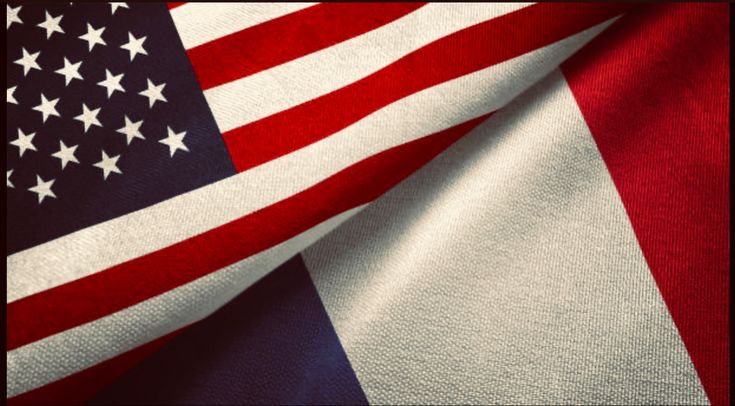
Having moved from Los Angeles to Paris, one of the things I have found most interesting is the difference in how political activism is expressed. In the United States, I grew up seeing demonstrations surrounding issues such as racial equality and women’s rights. In France, protests seem to occupy an especially visible place in everyday political life. Streets are closed, schools are blocked, and public demonstrations frequently become part of national conversations. While the issues being protested may differ, the underlying motivation is often remarkably similar: citizens demanding that their government listen to them.
The blocus movement also demonstrates that political engagement does not begin at eighteen. Students are often told that they are the future of society, yet their opinions about decisions affecting their education can be overlooked. These protests challenge that idea, showing that young people are not simply waiting to inherit the political system but are already attempting to shape it.
Of course, the effectiveness of the blockades remains debated. Missing weeks of school can create additional problems for the very students demanding better educational opportunities. Some students have expressed concerns about examinations, university applications, and falling behind academically. Nevertheless, the protests have forced national attention onto problems that students argue have been ignored for too long.
Ultimately, the Paris blocus movement represents more than a disagreement over educational funding. It raises broader questions about democracy, political participation, and the relationship between citizens and their government. France has a long history of young people challenging authority, and the demonstrations of 2026 have become another chapter in that tradition.
Whether these protests lead to lasting educational reform remains uncertain. However, they have already demonstrated something important: being too young to vote does not mean being too young to have a political voice.


Leave a Reply